Kozma, D., Vujkov, N., & Vujkov, S. (2025). Physical, physiological, and psychological characteristics of junior rowers: A systematic review. Facta Universitatis, Series: Physical Education and Sport, 23(3), 113–125. https://doi.org/10.22190/FUPES250227012K (download paper)
Rowing Performance Through Science & Coaching
THE POWER OF ROWING
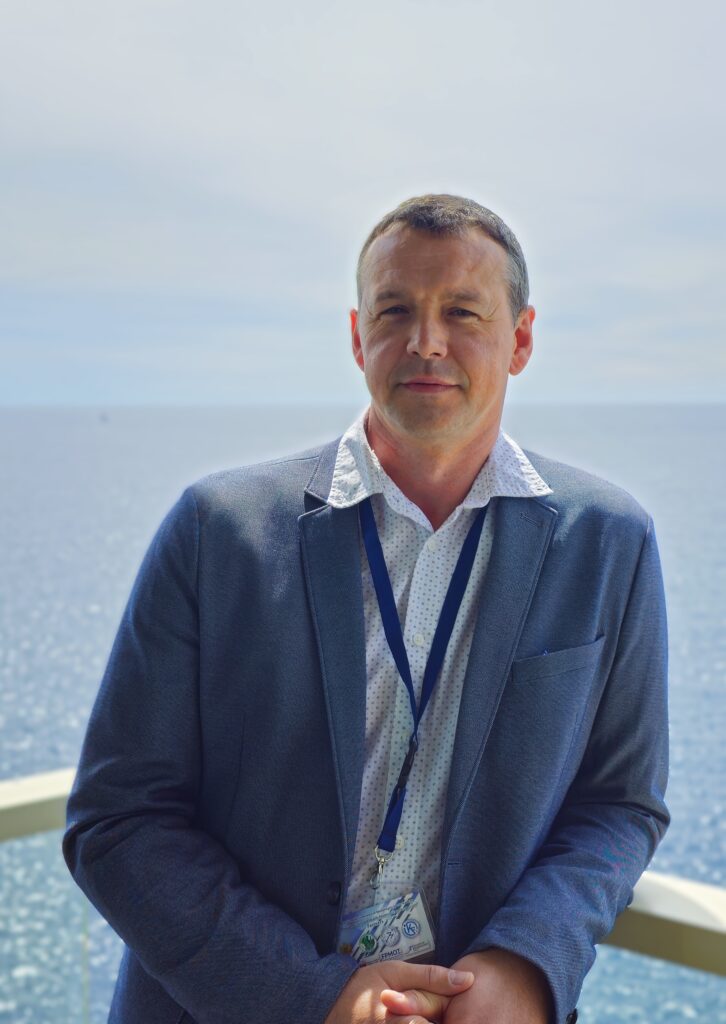
Denis Kozma
Rowing coach, researcher and performance consultant with 36 years dedicated to rowing and more than two decades of coaching experience.
My work connects practical coaching, performance diagnostics, biomechanical analysis and long-term athlete development.
36YEARS
01
Coaching
Long-term development of rowers through structured and individualized training.
02
Performance Analysis
Video, GPS and stroke data analysis for measurable technical and physiological progress.
03
Research & Publications
Scientific work focused on rowing performance, training effects and junior athlete development.
About
About me
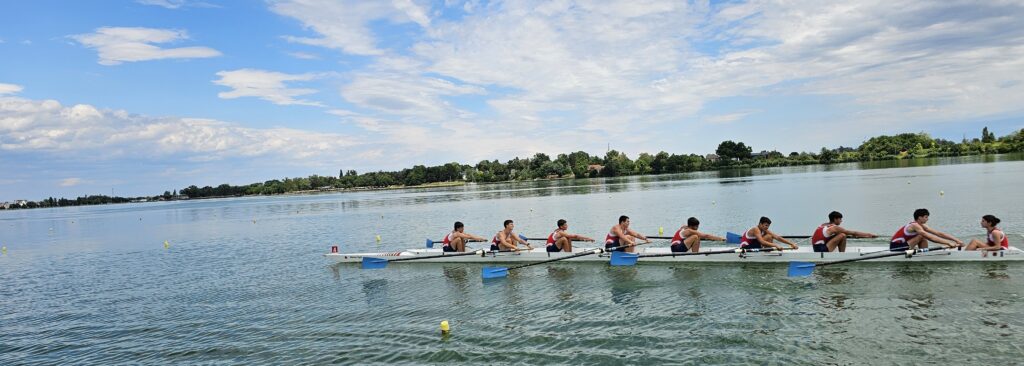
I am Denis Kozma, a rowing coach and researcher with 36 years dedicated to the sport of rowing, including 10–12 years as a competitive athlete and more than two decades of coaching experience. My work connects practical coaching, performance diagnostics, biomechanical analysis, and long-term athlete development.
My rowing path began on the water, where I built a practical understanding of discipline, technical precision, training consistency, and athlete development. Today, I work with junior and elite rowers through structured training programs, ergometer testing, VO₂max profiling, power output analysis, and stroke technique assessment.
I hold a Master of Applied Sciences in Sport Training and use evidence-based methods to support coaching decisions. My approach combines scientific analysis with daily training practice, aiming to improve performance without losing sight of long-term athletic health and development.
I have authored and co-authored scientific papers, presented research at professional conferences, and collaborated with rowing institutions in Serbia, Hungary, and beyond. My work focuses on rowing performance, training effects, physiological development, and junior athlete progression.
Whether on water or ergometer, my goal is clear: to unlock rowing performance through the synergy of science and coaching — one stroke at a time.
Services
Services
My work focuses on rowing coaching, performance analysis, and long-term athlete development. The goal is to connect practical rowing experience with measurable training data, technical assessment, and scientifically informed planning.
Training is not treated as a collection of isolated exercises, but as a structured process. Each athlete develops through technical refinement, physical preparation, monitoring, and continuous adjustment of training load.
01
Performance Analysis
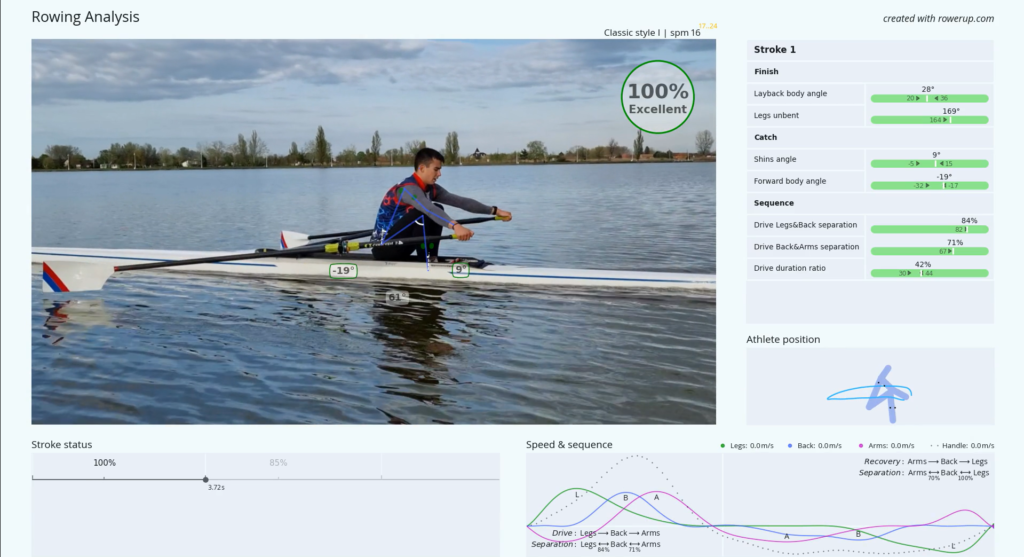
Performance analysis supports coaching decisions through video observation, ergometer testing, stroke assessment, and measurable indicators such as power, endurance, stroke efficiency, and physiological response.
The purpose of this analysis is to make the rowing stroke visible, measurable, and easier to correct. Video-based assessment allows technical details to be examined more precisely, including body position, catch preparation, drive sequence, finish position, recovery movement, and the coordination between legs, trunk, and arms.
By combining visual feedback with measurable data, training decisions become more objective. Instead of relying only on general impressions, the coach can identify specific technical patterns, compare changes over time, and connect movement quality with performance outcomes.
This approach helps the athlete understand not only what needs to be improved, but also why it matters. When stroke mechanics, power production, rhythm, and efficiency are analysed together, the training process becomes more precise, individualised, and directly connected to performance development.
02
Training Monitoring
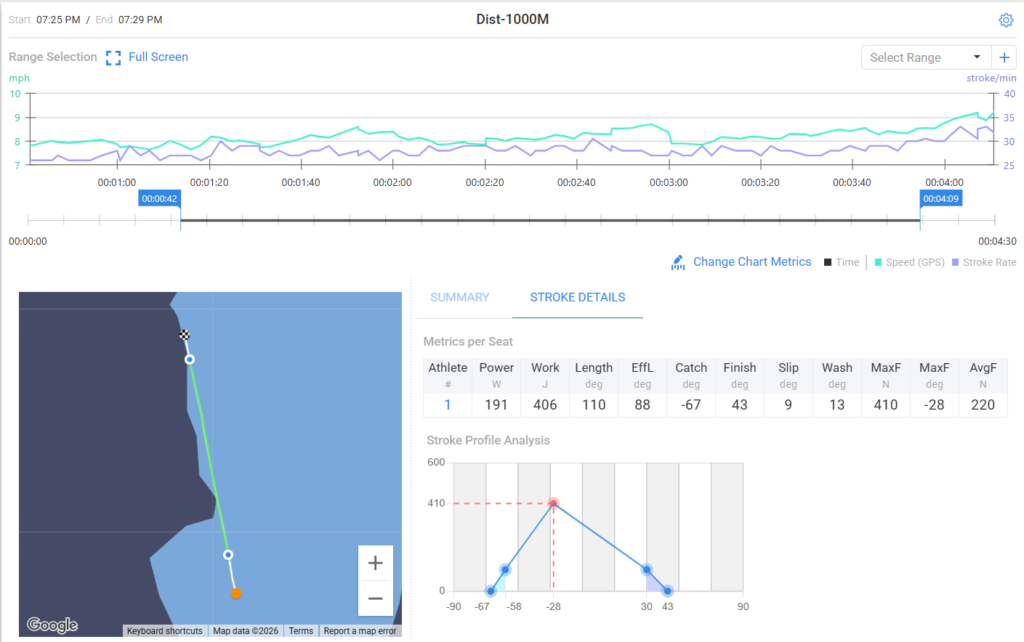
Training monitoring provides a structured view of the athlete’s workload, technical execution, and performance response during training. Instead of relying only on general observation, the training process becomes measurable through distance, speed, stroke rate, power output, and stroke profile data.
This type of monitoring helps identify how an athlete maintains rhythm, efficiency, and force application across a specific distance. By comparing stroke mechanics, power values, speed variation, and technical indicators, coaching decisions become more precise and better connected to the actual demands of rowing performance.
Regular analysis of training data supports long-term development. It allows the coach to follow progression, adjust training load, detect technical inconsistencies, and connect daily training outcomes with the athlete’s current stage of development.
03
Long-Term Athlete Development
A central part of my work is long-term athlete development, particularly with young and junior rowers. In rowing, performance cannot be built through short-term intensity alone. It requires a gradual process that respects biological maturation, technical learning, motivation, recovery, and the individual rhythm of each athlete’s development.
The training process begins with the acquisition of basic movement patterns, coordination, balance, and boat feel. As the athlete progresses, technical refinement, aerobic capacity, strength development, stroke efficiency, and psychological resilience become increasingly important. Each stage demands a different coaching emphasis, from learning how to move efficiently to understanding how to train, compete, and sustain performance over time.
My approach is based on structured progression rather than early pressure for immediate results. Young rowers need clear guidance, consistent feedback, and age-appropriate training loads. By combining observation, testing, technical analysis, and regular monitoring, the development process becomes more precise and better connected to the athlete’s current abilities.
The goal is not only to produce competitive results, but to build rowers who understand technique, develop physical capacity safely, maintain motivation, and gradually move from basic skill acquisition toward mature competitive performance.

Research
Research & Publications
My research and professional work developed through the connection between academic study, coaching practice, and long-term involvement in rowing. In cooperation with the College of Vocational Studies for the Education of Preschool Teachers and Sports Trainers in Subotica, academic support from Dr. Sci. Sandra Vujkov, and practical work within Rowing Club Palić, my published work focuses on rowing performance, training effects, junior athlete development, and the application of scientific methods in coaching practice.
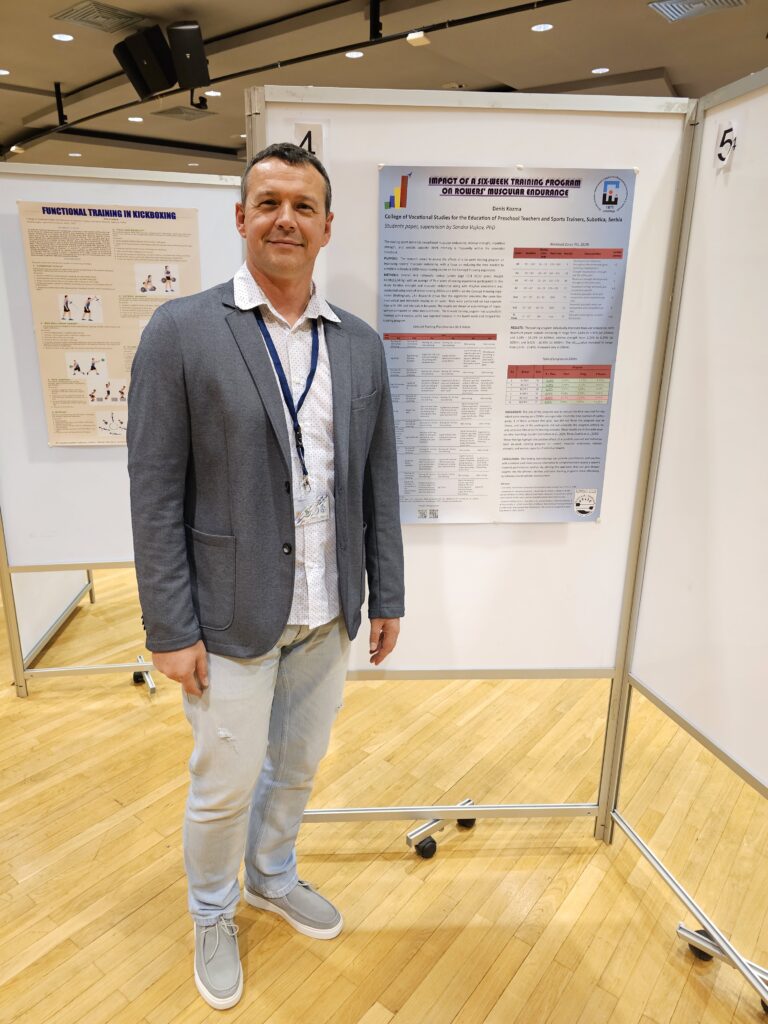
Kozma, D. (2024). Impact of a Six-Week Training Program on Rowers’ Muscular Endurance. Montenegrin Journal of Sports Science and Medicine, 13(S1), 31–32. DOI 10.26773/mjssm.240401 (Download paper, download poster)
Kozma, D. (2023). Efekti dvanaesto-nedeljnog trenažnog procesa na relativnu snagu veslača. U Tematski zbornik radova sa međunarodne interdisciplinarne stručno-naučne konferencije „Horizonti“ 2023, 306–313. ISBN 978-86-87893-63-4. (download paper)
Kozma, D., & Vujkov, S. (2021). Efekti jedanaesto-nedeljnog trenažnog procesa na aerobni kapacitet veslača. U Tematski zbornik radova sa međunarodne interdisciplinarne stručno-naučne konferencije „Horizonti“ 2021, 220–227. ISBN 978-86-87893-54-2. (download paper)
MSA Cavtat 2024
This research path is not finished. Rowing remains an open field for further study, practical testing, and professional development. Its complexity lies in the constant interaction between physiology, biomechanics, psychology, technique, training methodology, and long-term athlete development.
Future work will continue to focus on the connection between scientific evidence and coaching practice, with particular attention to junior rowers, performance diagnostics, training effects, and the practical application of data in everyday rowing development.
For me, rowing is not only a sport of endurance and strength. It is a continuous field of learning, analysis, and refinement — a discipline in which each stroke offers another opportunity to understand performance more deeply and to improve the way athletes are developed.
Contact
Contact
For coaching, rowing development, performance analysis, or research-related communication, you can contact me directly by email or through the listed channels.
Address:
Rowing Club Palić, Omladinski Park 1
Palić, Serbia
Website:https://veslanje-palic.org.rs
Connect:
© 2026 Denis Kozma · The Power of Rowing